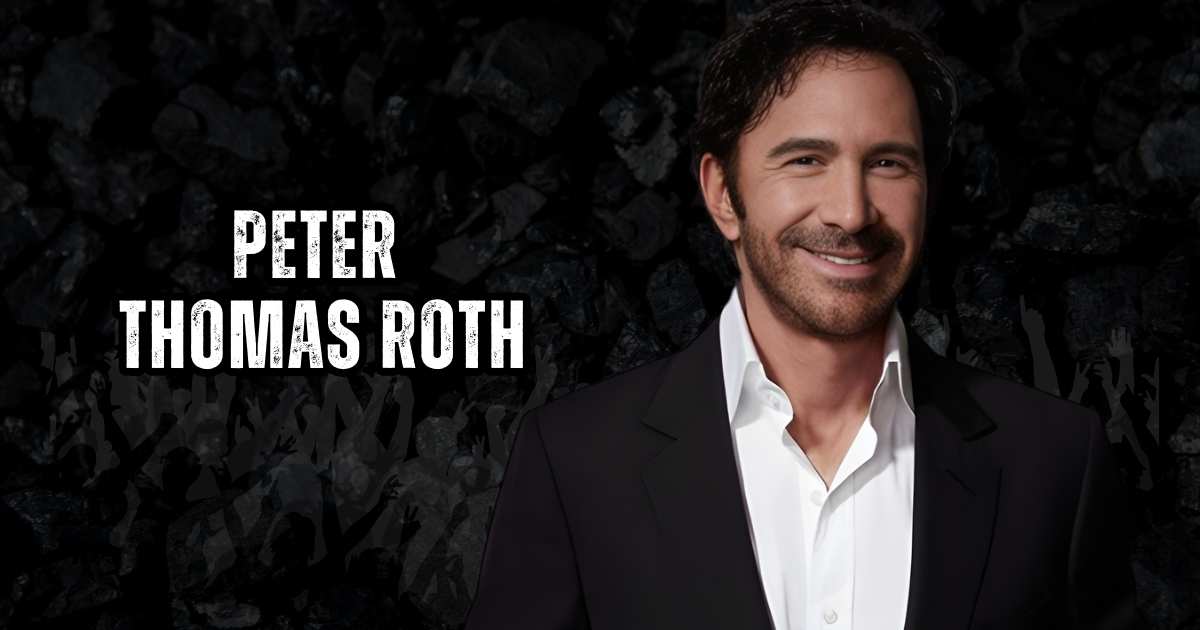
What turns a skincare obsession into a fortune between $250 million and $300 million? For Peter Thomas Roth, the answer starts in a New York lab and ends on shelves across more than 50 countries. His wealth journey isn’t a lucky break story. It’s a masterclass in clinical innovation, smart distribution, and relentless product development.
Here’s everything you need to know about Peter Thomas Roth’s net worth in 2026 and how he built one of America’s most respected skincare empires.
Peter Thomas Roth Net Worth Bio Data Table
| Detail | Info |
| Full Name | Peter Thomas Roth |
| Born | 1957, Hungary |
| Age 2026 | 68 years old |
| Profession | Skincare Founder, CEO, Formulator |
| Brand | Peter Thomas Roth Clinical Skin Care |
| Founded | 1993 |
| Headquarters | New York City, USA |
| Estimated Net Worth 2026 | $250 million to $300 million |
| Primary Income | Skincare Product Sales, Licensing |
| Retail Partners | Sephora, Ulta, Nordstrom, QVC |
| Global Reach | 50+ countries |
Who Is Peter Thomas Roth? Background and Early Life
Born in Hungary in 1957, Peter Thomas Roth grew up surrounded by a family deeply rooted in wellness. His parents owned and operated spa resorts, a background that planted the seed for everything that followed. That upbringing shaped his instinct for skin health long before he ever built a brand.
He struggled with acne and skin sensitivity as a teenager. That personal frustration became his professional obsession. Rather than accept the limited options available, he started researching active ingredient formulations himself. Think of him as the Steve Jobs of skincare — someone who experienced the problem firsthand and refused to settle for mediocre solutions.
He eventually made his way to New York City, studied science and business, and spotted a gap nobody else was filling: clinical-grade skincare results at a price point real consumers could actually reach. That insight became the entire foundation of his wealth journey.
Net Worth Overview: Peter Thomas Roth’s Wealth in 2026
Peter Thomas Roth’s net worth in 2026 is estimated between $250 million and $300 million. Because the company is privately held, exact financial figures aren’t publicly disclosed. Most credible industry estimates land in that range, reflecting decades of brand equity growth, global retail distribution channels, and smart licensing deals.
What makes this number remarkable is how it was built. No major venture capital funding. No early acquisition exit. Just a founder who held on, controlled his margins, and let compound growth do its work across more than three decades.
Key Takeaways
- Estimated Peter Thomas Roth net worth 2026: $250 million to $300 million
- Sole founder with full ownership stake retained
- Revenue generated from 100+ SKUs across global retail
- Strong direct-to-consumer growth through his official website
- Privately held beauty company with no board pressure
- Brand equity still growing through social media and influencer endorsements
Net Worth Growth Timeline
Before Fame
Before 1993, Roth was experimenting quietly. He had limited capital and a big vision. His European spa heritage shaped every formula he developed. Early conversations with dermatologists gave him clinical credibility that most beauty entrepreneurs simply didn’t have. He wasn’t chasing trends. He was building a science-based skincare philosophy from scratch.
Breakthrough Phase
He founded Peter Thomas Roth Clinical Skin Care in 1993, leading all research and development himself. Getting into Sephora changed everything overnight. Suddenly, his clinical skincare brand products sat next to prestige beauty giants on the same shelf. Revenue scaled fast, climbing from six figures to eight figures within a decade. The Unwrinkle line and early anti-aging skincare products built a fiercely loyal customer base that kept coming back.
Peak and Recent Years
Today the brand sells across more than 50 countries. The viral moment that supercharged his second wave of growth? The 24K Gold Mask and the eye patches that exploded across TikTok. A brand founded in 1993 suddenly became the obsession of Gen Z beauty lovers. That kind of cultural relevance is rare and genuinely hard to manufacture. It happened because the products actually worked.
Read Also: Brandon Lake Net Worth 2026 – Full Earnings Breakdown
Main Sources of Income
Core Profession Income
Roth earns through CEO compensation, brand dividends, and direct product sales. As the sole founder and formulator, his ownership stake captures the full margin of every unit sold globally. That’s a significant advantage over founders who diluted equity early through investor rounds.
Retail and Supply Revenue
Peter Thomas Roth Clinical Skin Care operates across five continents. Retail distribution channels include Sephora, Ulta, Nordstrom, Bloomingdale’s, and QVC beauty launches. Each partnership represents a distinct and significant revenue stream. Travel retail through airports and duty-free channels adds another quiet but lucrative layer to his income.
Brand Endorsements and Sponsorships
Rather than pay celebrities, Roth lets results do the talking. High-profile figures across entertainment and media have been spotted using his products organically. That earned media generates millions in advertising value without a formal paid celebrity endorsement contract attached. It’s a smarter and more credible play for a brand built on performance-based beauty formulas.
Merchandise and Licensing
Private label licensing deals including hotel spa partnerships and exclusive luxury collections add another layer to his revenue streams. Travel retail, airline amenity kits, and spa licensing quietly compound his income year over year. These aren’t flashy income sources but they’re consistent and margin-friendly.
Business Strategy Behind the Wealth
Roth’s business strategy is elegantly simple on the surface but brutally hard to replicate. Here’s why his Peter Thomas Roth skincare empire has lasted over 30 years:
- Clinical positioning: In 1993, calling skincare “clinical” was radical. It worked.
- Premium pricing strategy: Not cheap, not unattainable — the sweet spot between mass and prestige.
- Hero product portfolio: The 24K Gold Mask, Cucumber Gel Mask, and Water Drench Hydration line became category anchors.
- QVC beauty launches: Reached an older, high-spending demographic that Sephora didn’t fully serve.
- Staying privately held: Full control, full margins, zero quarterly earnings pressure.
- TikTok era adaptation: The brand rode viral moments without losing its prestige identity.
The key move most people overlook? He never sold. While competitors accepted acquisition offers and watched their brands get absorbed into corporate portfolios, Roth kept building. That decision compounded his skincare brand value enormously over time.
Awards and Achievements and Financial Impact
Recognition in beauty isn’t just vanity. It drives real sales. Winning an Allure Best of Beauty award consistently spikes product sell-through in the weeks that follow the announcement. Peter Thomas Roth Clinical Skin Care has earned multiple such wins across categories including anti-aging skincare products, hydration, and clinical innovation in skincare.
Industry publications including WWD and Beauty Inc. have consistently recognized the brand as a pioneer of the prestige skincare market. Each award reinforces brand trust and justifies its premium pricing strategy to new consumers discovering it for the first time.
Assets and Lifestyle
Real Estate
Roth’s real estate investments include luxury properties in New York and reported estates in the Hamptons. His Peter Thomas Roth real estate portfolio reflects a carefully diversified investment strategy built well beyond the skincare business itself.
Cars and Luxury
Roth lives well but keeps a relatively low public profile compared to flashier beauty moguls. His luxury lifestyle aligns with the brand’s ethos — sophisticated, results-driven, and quietly expensive. No tabloid spectacle. Just deliberate, tasteful wealth.
Investments
Beyond skincare, Roth has channeled wealth into hospitality ventures and commercial real estate. His diversified investment portfolio protects against brand volatility and ensures long-term financial stability regardless of beauty industry shifts.
Net Worth Comparison: Peers and Industry
| Founder | Brand | Est. Net Worth |
| Peter Thomas Roth | PTR Clinical Skin Care | $250M to $300M |
| Dr. Dennis Gross | Dr. Dennis Gross Skincare | $50M to $150M |
| Mario Badescu | Mario Badescu Skin Care | $50M to $100M |
| Bobbi Brown | Jones Road Beauty | $100M to $200M |
| Charlotte Tilbury | Charlotte Tilbury Beauty | $1B+ |
| Kylie Jenner | Kylie Cosmetics | $700M+ |
Roth sits comfortably in the upper tier of independent skincare brand founders. He trails mega-founders like Charlotte Tilbury largely because of scale and acquisition-driven valuation jumps. He leads most niche skincare brand valuations because he held on, stayed independent, and kept building equity over decades rather than cashing out early.
Controversies, Challenges and Financial Risks
No wealth story runs perfectly smooth. The prestige skincare market faces real pressure from brands like The Ordinary, which offer science-based skincare at a fraction of the price. That’s a direct challenge to PTR’s premium pricing strategy and something the brand actively has to navigate.
Clean beauty trends also create friction. Active ingredient formulations heavy on synthetic compounds face increasing scrutiny from a generation of consumers demanding full ingredient transparency. Staying relevant to Gen Z beauty buyers while keeping Boomer loyalty is a genuine balancing act that shapes every product decision the brand makes.
Supply chain disruptions post-2020 hit margins across the entire beauty industry. PTR was no exception. Managing those pressures while maintaining clinical-grade quality standards is an ongoing financial risk that requires constant strategic attention.
Philanthropy and Social Impact
Peter Thomas Roth maintains a relatively private personal life but supports various philanthropic causes connected to wellness and skin health access. The brand’s sustainability commitments around packaging and responsible ingredient sourcing continue to develop as consumer expectations around corporate responsibility grow stronger each year.
Diversity and inclusion efforts within the brand reflect a broader commitment to making performance-based beauty formulas accessible across demographics. That social positioning increasingly influences brand perception and, indirectly, long-term financial value.
How Peter Thomas Roth Makes Money Outside Core Profession
Beyond product sales, Roth diversifies his income smartly across several channels:
- Speaking engagements at beauty and entrepreneurship conferences
- Advisory roles in the beauty and wellness industry
- Real estate and hospitality investment income
- Licensing of proprietary skincare technology and patents
- Hotel and spa partnership deals carrying his formulations globally
- Digital media and influencer partnership revenues through brand channels
None of these individually match the core business revenue. Together they create a resilient financial foundation that doesn’t crumble if one revenue stream slows down.
Future Net Worth Projection
The numbers point upward. If current growth holds, Roth’s net worth could realistically reach $350 million or beyond by 2028. Several factors support that projection:
- Online beauty sales growth continues to expand direct-to-consumer margins
- Global skincare expansion into Asia-Pacific remains largely untapped for PTR
- AI-powered skincare personalization could open entirely new product categories
- A potential acquisition by Estee Lauder, LVMH, or L’Oreal would likely value the brand at $500 million or more
The beauty industry evolution in 2026 favors exactly what PTR built — science-led, results-proven, globally distributed skincare. Luxury skincare demand trends show no sign of slowing. Roth is positioned well for whatever comes next.
Conclusion
Peter Thomas Roth’s wealth journey proves one thing clearly: solve a real problem, obsess over quality, and the fortune follows naturally. From Hungarian spa roots to a globally recognized clinical skincare empire, his story isn’t built on hype.
It’s built on conviction. With an estimated net worth between $250 million and $300 million in 2026 and a brand still gaining momentum worldwide, Roth remains one of America’s most compelling entrepreneurial success stories in beauty. The lab, it turns out, was always the most direct route to luxury.

Jake Morin, founder of GleamzSpot, is a certified SEO professional and skilled writer with over 6 years of experience. He specializes in creating authentic, engaging, and well-researched celebrity and trending content that connects with readers worldwide.